Think openly.
Share what we learn.
Perspectives on software, Linux, SI, and the digital work ahead — with a clear position, traceable sources, and ideas grounded in daily work.
Follow articles via RSSExplore articles
33 articles
 neurofunken / ideas
SSO is not offboarding: why SCIM has a separate job.
Connect your application to a customer's identity provider. Test sign-in, roles and the account lifecycle separately.
Read more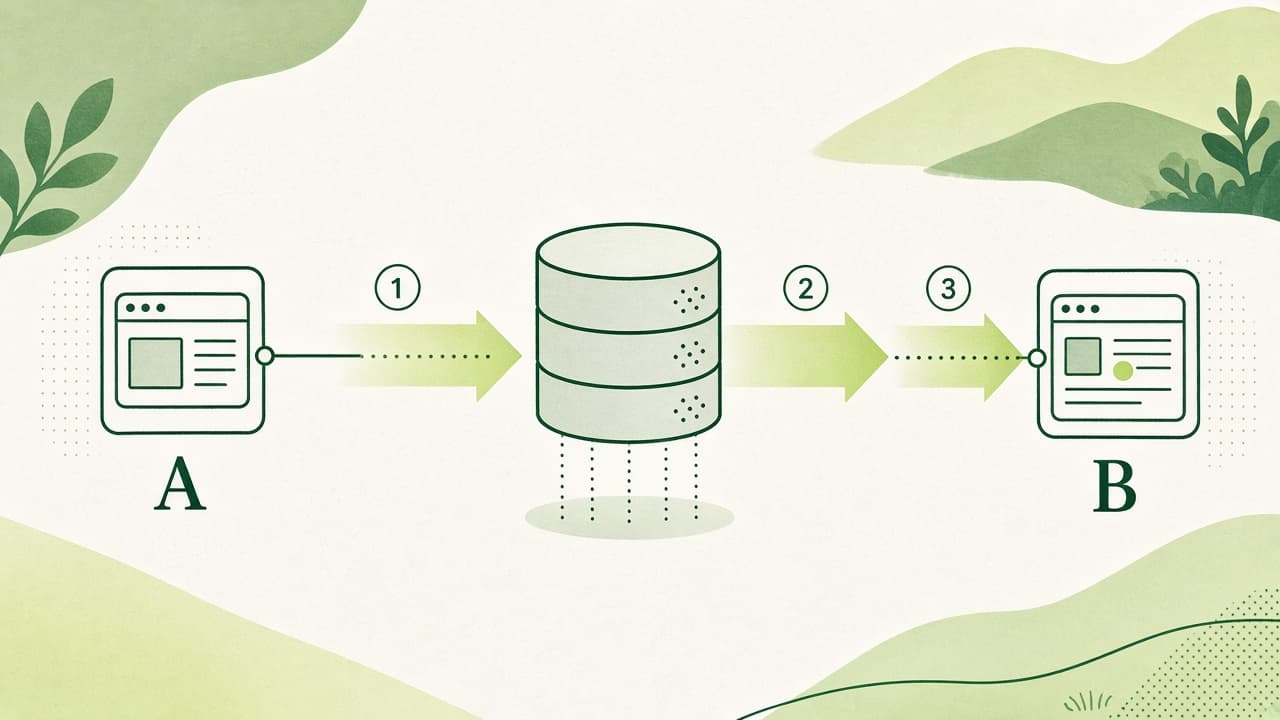 neurofunken / ideas
A software update needs a transition phase.
New application, existing database: how you plan changes in stages, account for old versions, and recognise the limits of a rollback.
Read more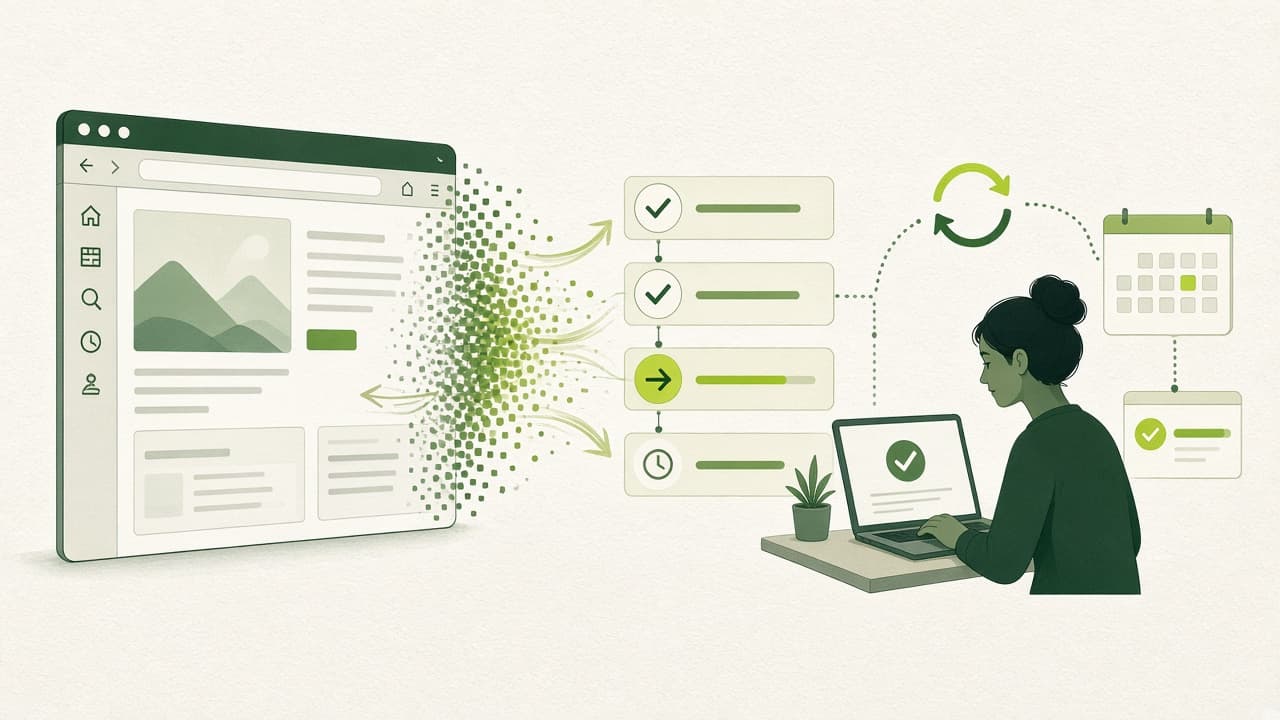 neurofunken / ideas
Your company website can take work off your hands — if it gets a job.
A customer portal pays off when people can complete the same process there reliably. How you find the entry point and clarify rights, interaction, and operations before you build.
Read more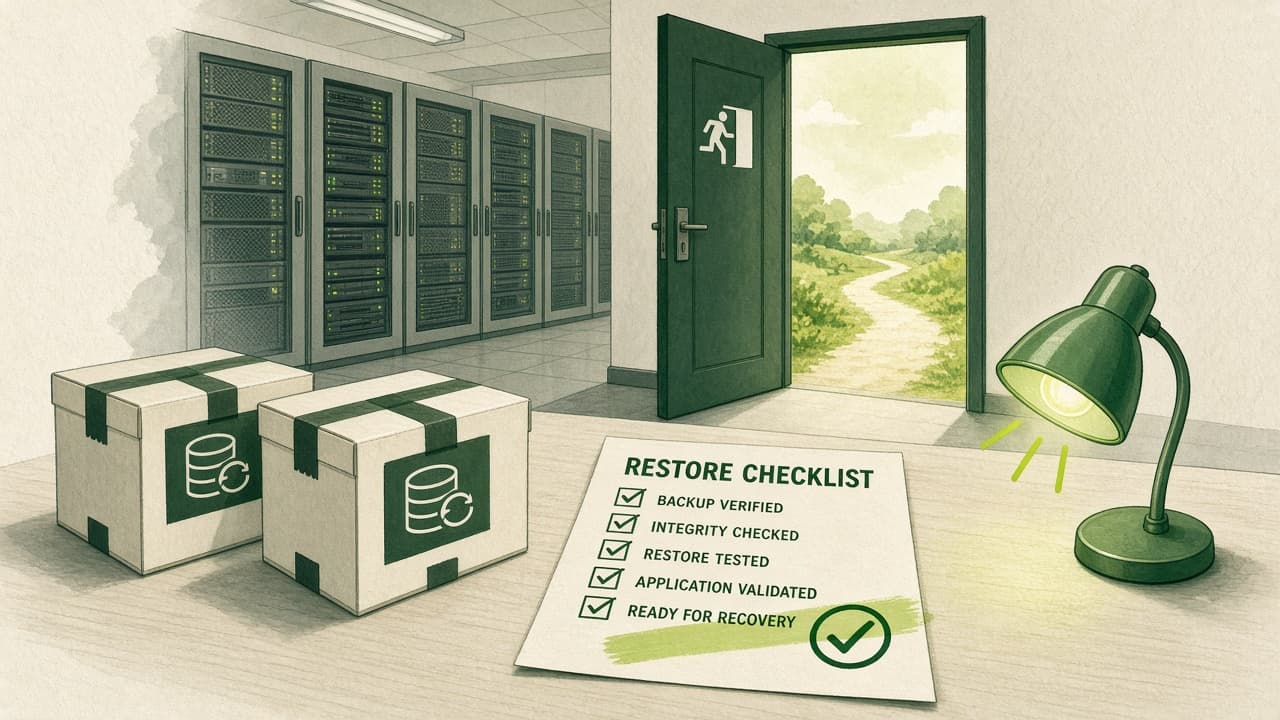 neurofunken / ideas
Open source without a tested exit is only a good feeling.
Licence freedom alone does not make you independent. Only exports, complete backups, and a dry run with clear acceptance criteria make an operator change plannable.
Read more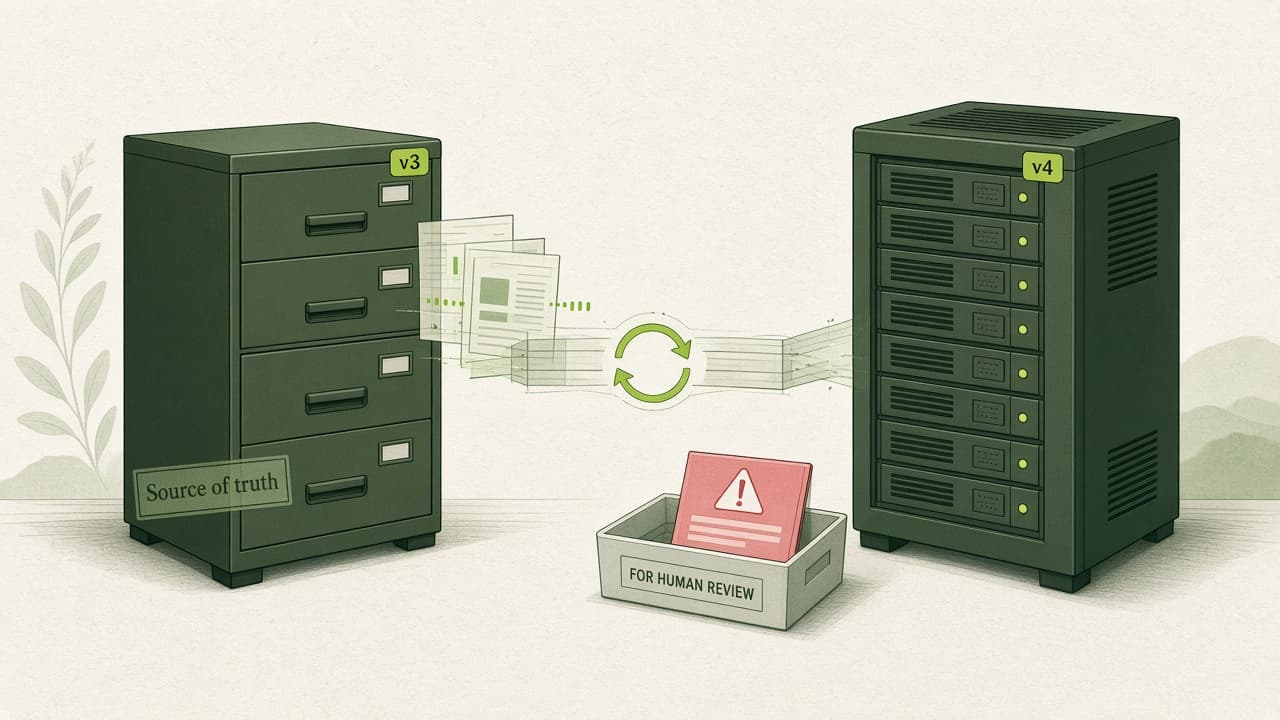 neurofunken / ideas
Changing a field is easy. Keeping the context is the work.
Website, editorial, and line-of-business systems share data — but not the same ownership. How you plan leading systems, revisions, and error paths so integrations stay dependable.
Read more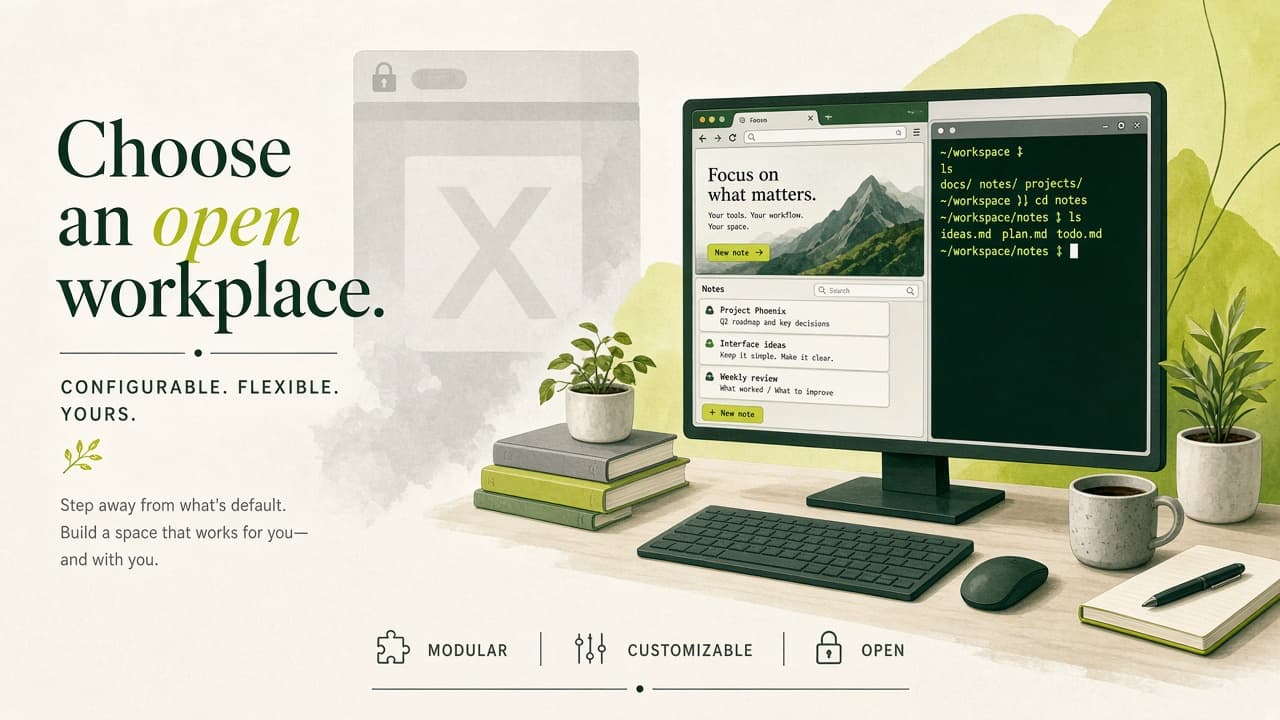 neurofunken / ideas
Windows by default? Omarchy asks a better question.
The default workstation deserves a reason. Omarchy shows what an open Linux desktop can look like, and how to assess whether a migration makes sense.
Read more neurofunken / ideas
SI helps when the task has a name.
A useful first application starts with an everyday task you can assess. Choose the model afterwards. Optimism needs a way to measure progress.
Read more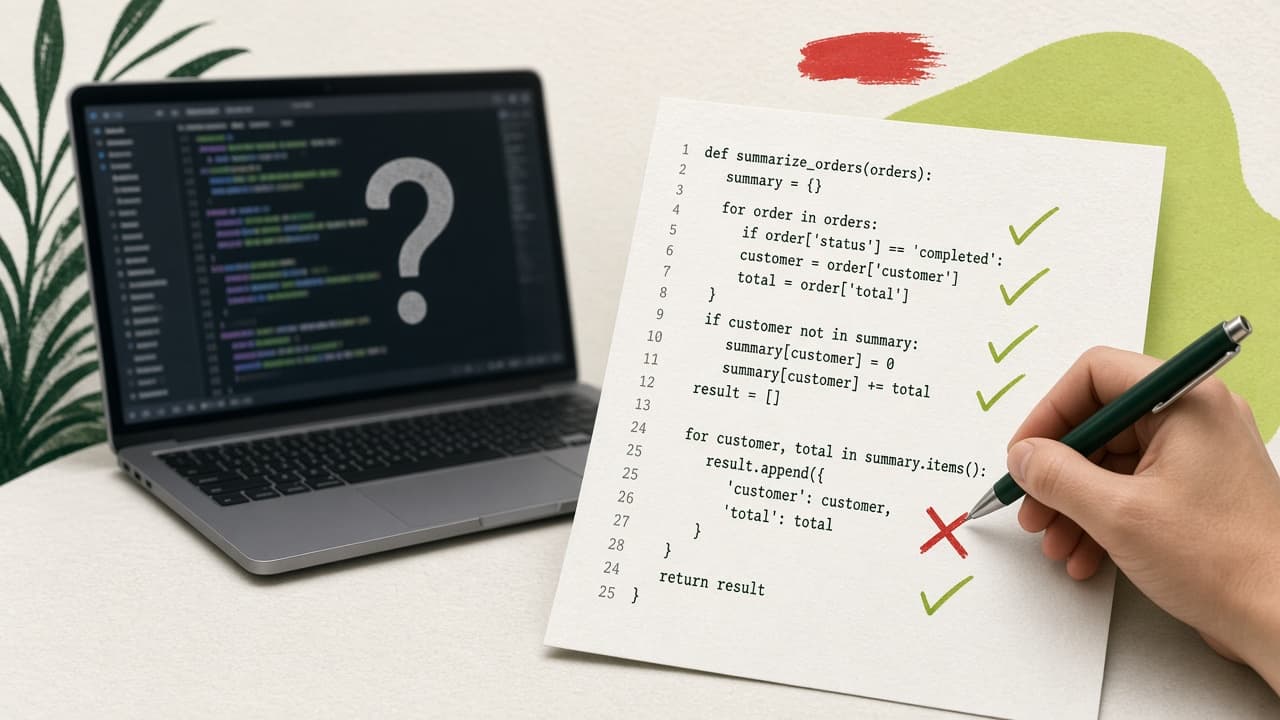 neurofunken / ideas
SI writes code. You keep responsibility.
Generated code often looks finished. Quality depends on understandable changes, independent criteria for checking them and someone who can explain the decision to adopt them.
Read more neurofunken / workshop
palmscout: work begins before the contract is signed.
A workshop note on the product vision. palmscout connects recruiting, HR and staffing, with decisions tested against practical handovers between people rather than feature lists.
Read more